


Credit Card Management: Smart Strategies for Financial Success
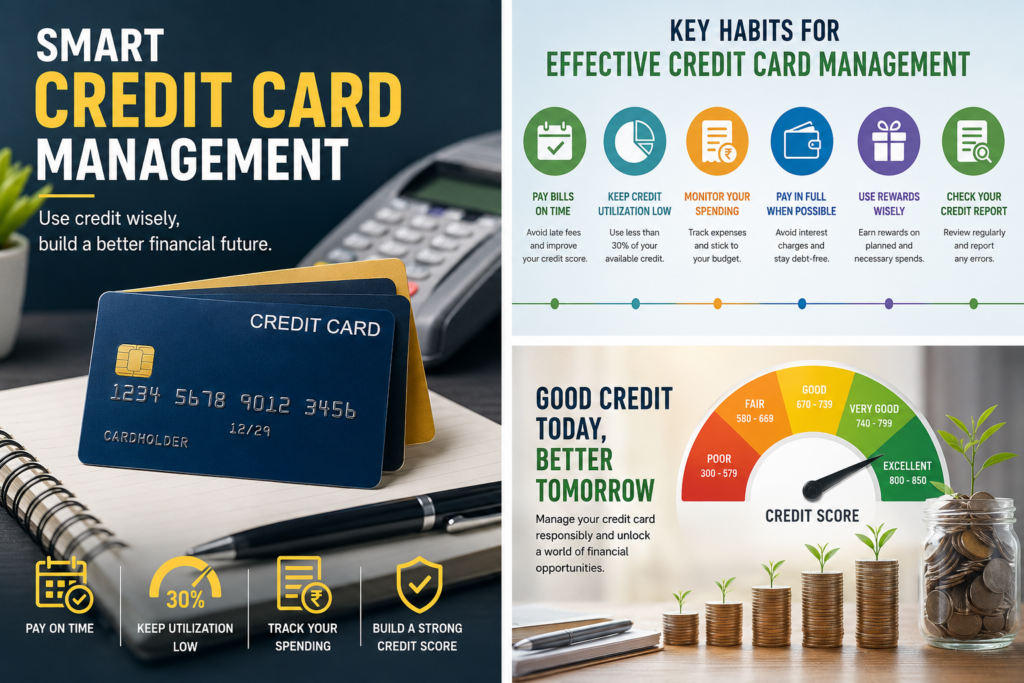
Credit cards are powerful financial tools when used responsibly. They offer convenience, rewards, and opportunities to build a strong credit history. However, poor credit card management can lead to debt, high interest charges, and a damaged credit score. Understanding how to manage your credit cards effectively can help you maintain financial stability and achieve your long-term goals.
Why Credit Card Management Matters
Effective credit card management is essential for maintaining healthy finances. A well-managed credit card account helps improve your credit score, enhances your borrowing capacity, and prevents unnecessary debt accumulation. On the other hand, missed payments and excessive spending can negatively impact your financial future.
1. Pay Your Bills on Time
One of the most important credit card management tips is paying your bills before the due date. Payment history is a major factor in determining your credit score. Late payments can result in:
- Penalty fees
- Higher interest rates
- Negative credit score impact
Setting up automatic payments or payment reminders can help ensure you never miss a due date.
2. Keep Credit Utilization Low
Credit utilization refers to the percentage of your available credit that you’re using. Financial experts recommend keeping your credit utilization below 30%.
For example, if your credit limit is ₹100,000, try not to carry a balance exceeding ₹30,000. Lower utilization demonstrates responsible credit behavior and can improve your credit score over time.
3. Monitor Your Spending Regularly
Tracking your credit card expenses helps prevent overspending and keeps your finances under control. Many banks and financial apps provide real-time transaction alerts and spending summaries.
Benefits of monitoring spending include:
- Better budgeting
- Early detection of fraudulent transactions
- Improved financial awareness
Review your statements every month to identify unnecessary expenses and spending patterns.
4. Avoid Carrying High Balances
While it’s acceptable to use your credit card frequently, carrying large balances month after month can be costly due to interest charges. Whenever possible, pay the full statement balance each billing cycle.
Paying in full offers several advantages:
- Avoids interest payments
- Improves credit health
- Reduces financial stress
If you already have outstanding debt, create a repayment plan and focus on reducing high-interest balances first.
5. Understand Your Credit Card Terms
Many cardholders overlook the details of their credit card agreements. Understanding your card’s features can help you avoid unnecessary fees and maximize benefits.
Key terms to review include:
- Annual Percentage Rate (APR)
- Annual fees
- Late payment charges
- Reward programs
- Cash advance fees
Knowing these details allows you to make informed financial decisions.
6. Use Rewards Wisely
Many credit cards offer rewards such as cashback, travel points, and discounts. While rewards can provide value, they should never encourage unnecessary spending.
To maximize rewards:
- Use the card for planned purchases
- Redeem points before expiration
- Compare reward programs periodically
Responsible spending should always come before reward accumulation.
7. Check Your Credit Report
Regularly reviewing your credit report helps ensure accuracy and allows you to spot errors or fraudulent activity. Monitoring your credit report can also help you understand how your credit card usage affects your overall credit profile.
Look for:
- Incorrect account information
- Unauthorized transactions
- Unexpected credit inquiries
Promptly reporting inaccuracies can protect your credit score.
8. Limit the Number of New Credit Applications
Applying for multiple credit cards within a short period can negatively impact your credit score. Each application may result in a hard inquiry on your credit report.
Before applying for a new card, consider:
- Whether you truly need additional credit
- The card’s benefits and fees
- Your ability to manage another account responsibly
Quality matters more than quantity when it comes to credit cards.
Common Credit Card Management Mistakes
Avoid these frequent mistakes:
- Missing payment deadlines
- Maxing out credit limits
- Ignoring account statements
- Taking frequent cash advances
- Applying for too many cards
Recognizing these pitfalls can help you maintain healthy financial habits.
Conclusion
Successful credit card management requires discipline, awareness, and responsible financial planning. By paying bills on time, keeping balances low, monitoring spending, and understanding your card’s terms, you can enjoy the benefits of credit cards while avoiding costly mistakes.
Implementing these credit card management strategies will not only improve your financial health but also strengthen your credit score and support your long-term financial goals.
